What is real photography?
tl;dr
When someone demands ‘real’ photography, they’re clinging to a romanticized fiction—commercial photography has never been authentic. At Ford Media Lab, we’re challenging the myth that’s holding creatives back from embracing AI as the future of visual intelligence.
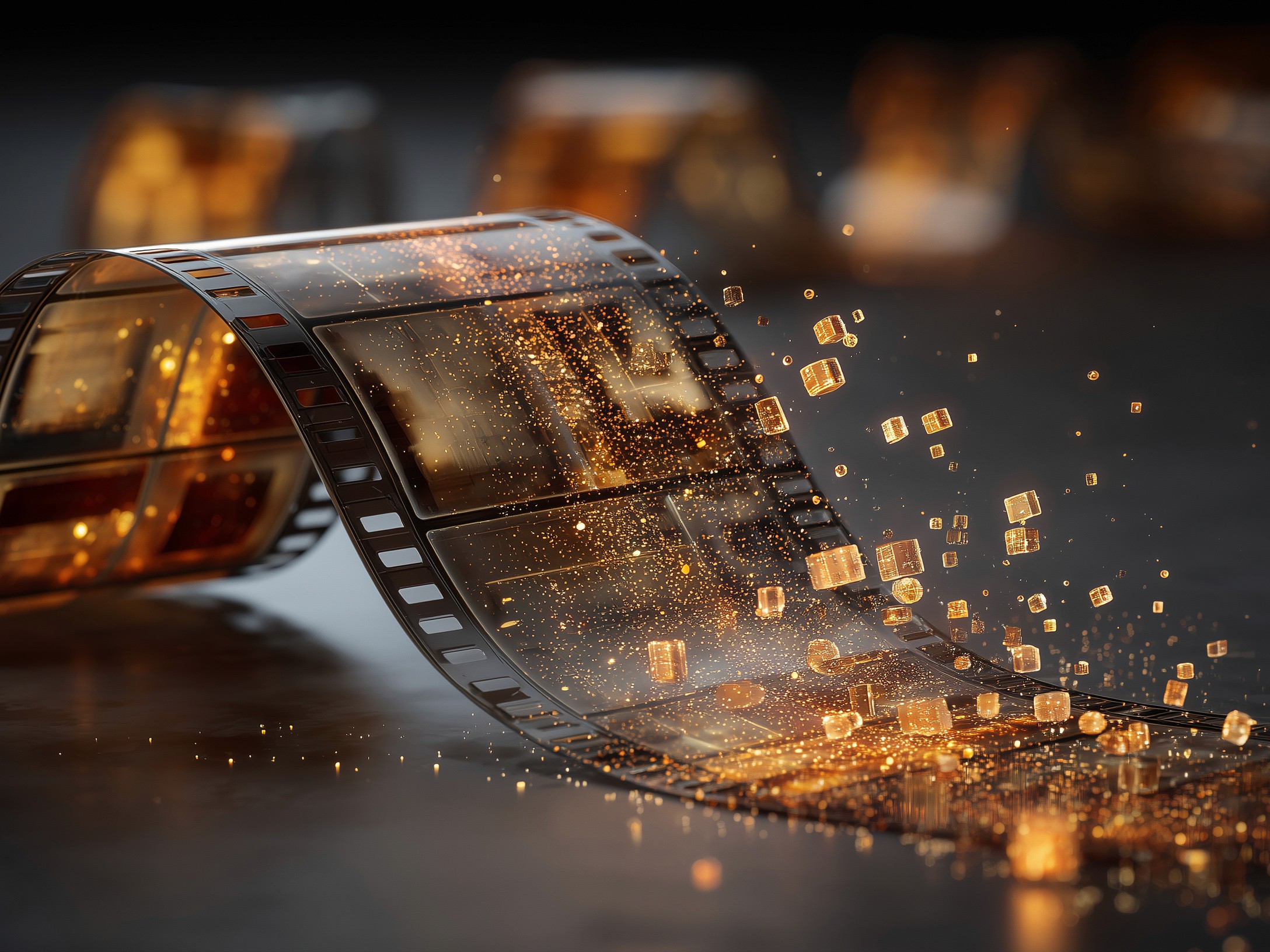
Commercial photography was never “real.” Studio light, retouching, compositing, and CGI have constructed every image ever sold to you. The demand for “real” photography is a romanticized fiction, and it’s the same resistance that met digital cameras in the 1990s. If a human directs the AI, makes the calls, and owns the vision, a human still made the work. The question was never whether it’s real. It’s whether it works.
Last night at a Miami bar, we had a conversation that crystallized everything wrong with how the creative industry approaches AI. A woman with what sounded like a $260K Stanford MBA proudly declared she could “never present AI-generated content to her C-suite” because she preferred “real” photography.
So we asked the question that belongs at the center of every creative’s philosophy: what is real?
Has commercial photography ever been “real”?
Stanford apparently skips the uncomfortable part: commercial photography has never been “real.” When someone demands “real” photography, they’re clinging to a romanticized fiction. Every commercial image you’ve ever seen was constructed, manipulated, and enhanced:
Studio lighting builds environments that don’t exist in nature.
Post-production has been altering reality since the darkroom.
Digital retouching transforms every commercial image beyond recognition.
Compositing and CGI have been industry standard for decades.
The camera itself is an approximation, catching a limited spectrum of light through a mechanical process. If we’re being honest about authenticity, shouldn’t we all be back painting cave walls?
Why AI resistance mirrors the digital-camera backlash
This is the same skepticism that met digital cameras in the 1990s. Film purists insisted digital would never match the quality of analog. The pattern is identical:
Dismissed as a novelty.
Gradual improvement in quality and capability.
Overwhelming adoption once the results spoke.
The previous technology becomes niche.
Digital didn’t just match film. It surpassed it on nearly every measurable axis. AI is on the same trajectory, faster.
Does AI remove the human element?
After the martini-fueled debate, the Instagram algorithm served up a carousel titled “the human flex era: why brands are bragging that humans made their content.” The timing was uncanny, and it missed the point that started the whole argument: humans are still behind every piece of AI-generated content. The vision, the direction, the strategic calls all stay human. The tools evolved. The author didn’t.
A photographer using AI isn’t removing the human element. They’re amplifying it, the same way photographers have with every advance from the first camera to Photoshop. Warhol made exactly this case with silk screening — we got into that here.
What this means for your brand
We built Ford Media Lab around Visual Intelligence because innovation drives results, not loyalty to an outdated definition of authenticity. While your competition argues about whether AI is “real enough,” you’re solving the next problem with the best tools available. The brands winning right now aren’t asking whether AI is real. They’re asking whether it’s effective.
Are commercial photographers already using AI?
Every working commercial photographer is already using some form of AI, whether they admit it or not. Adobe baked it into every workflow years ago. The only real question is whether you’re directing it deliberately or pretending it isn’t there while competitors pull ahead.
The photography that documents real moments — weddings, births — will always want traditional capture. Commercial photography was never that. It was always about building a compelling image that serves a brand’s vision.
The real question
So here’s what we asked the woman at the bar, and what we’ll ask every creative reading this: if a human directs the AI, makes the creative decisions, and applies their vision to the output, didn’t a human still make the work?
The answer tells you everything about whether you’re ready for what’s next.
Commercial photography was always constructed. It was always made, not taken — and we sign ours honestly. The smartest creatives use the best tools available to serve the work. The question was never whether it’s real. It’s whether it works.
by // Kyle Ford
(more intel)


